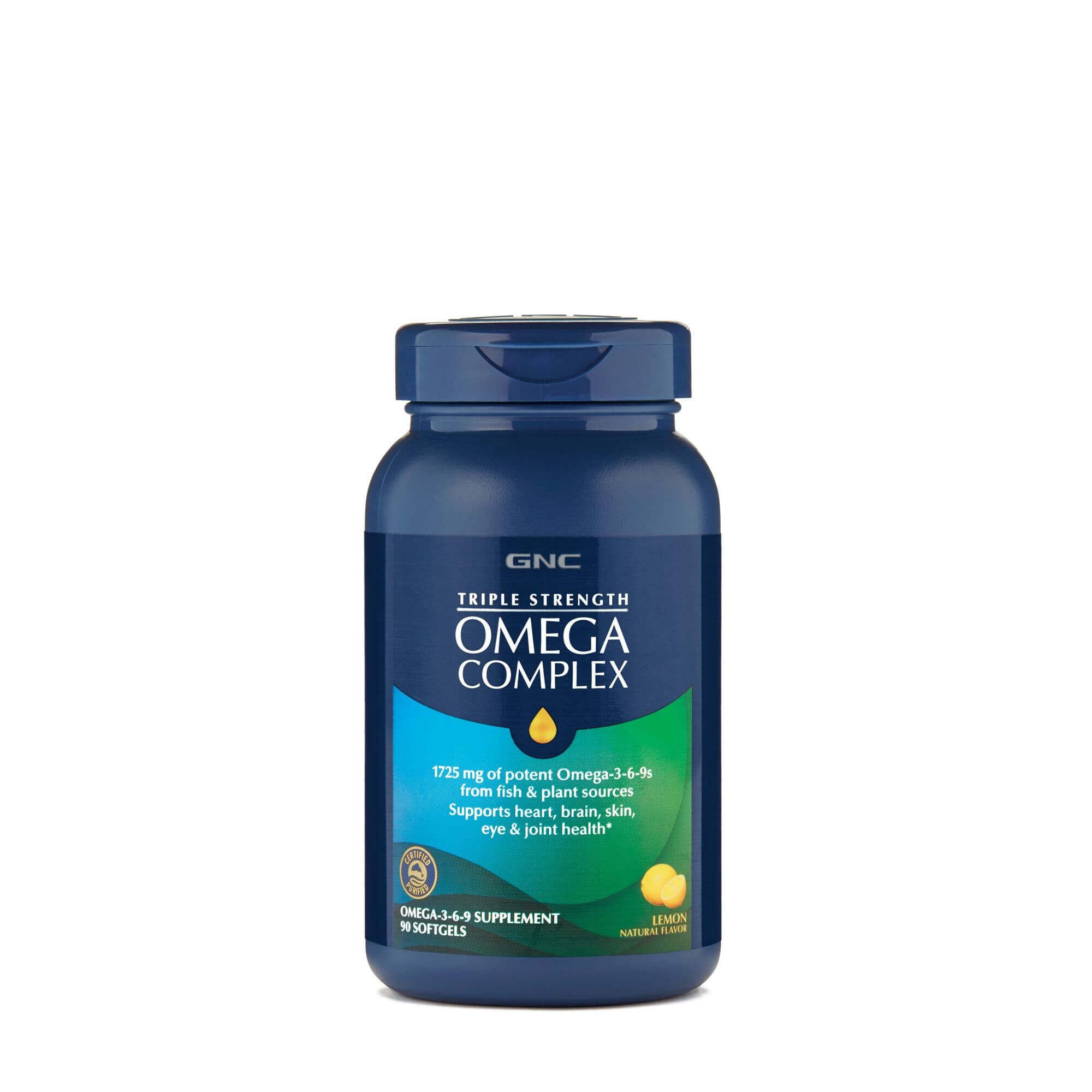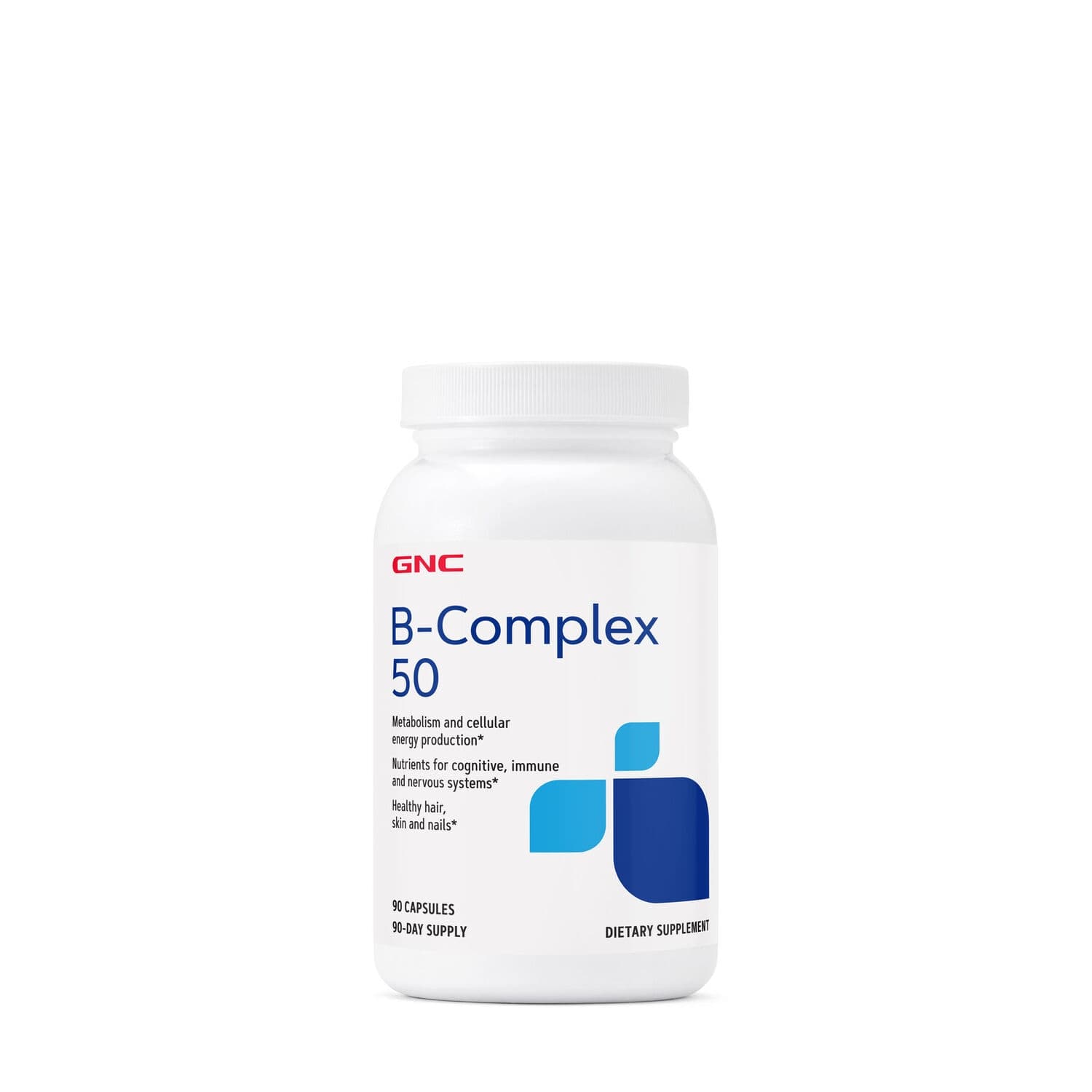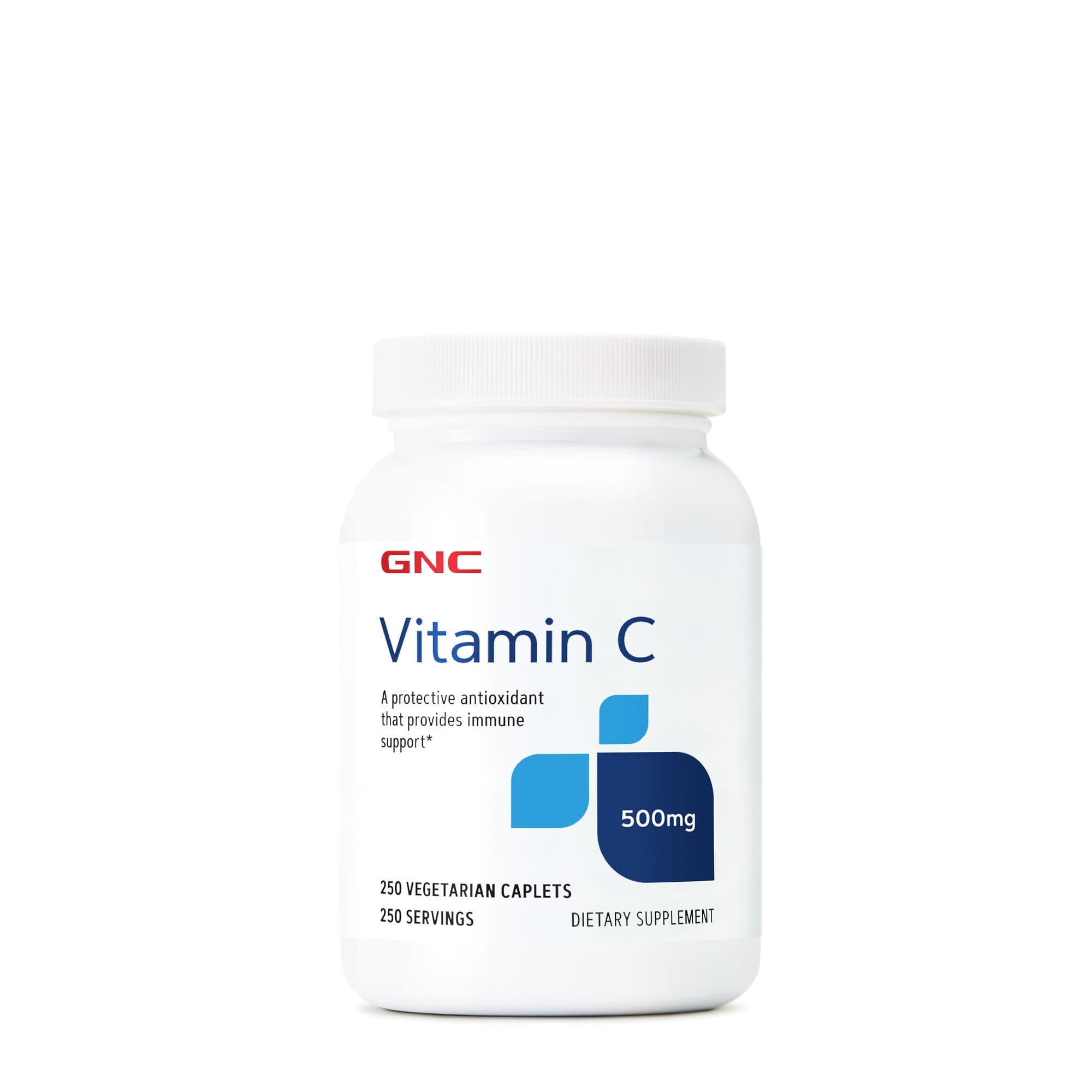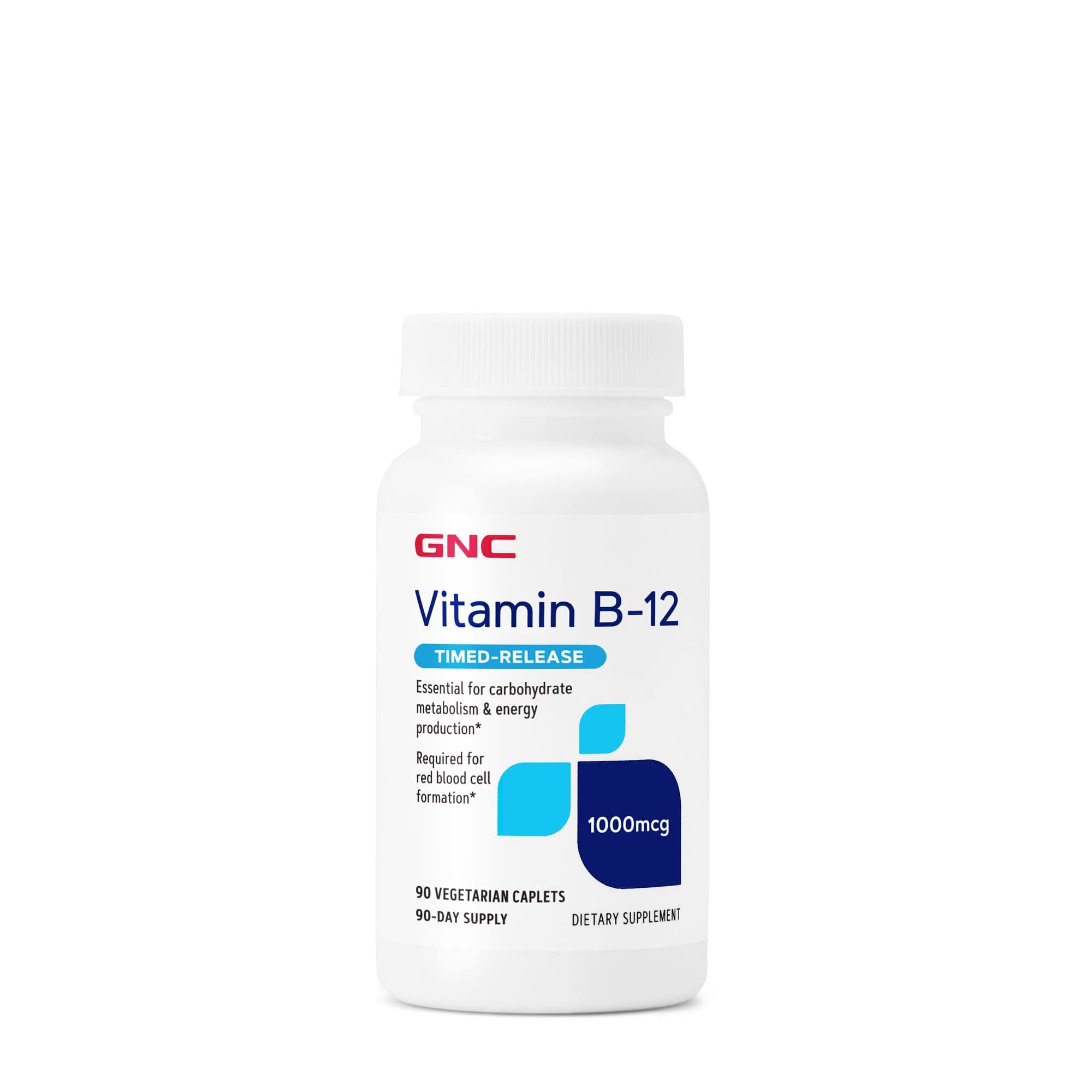
Walk into any supplement store and you're instantly overwhelmed. Pre-workouts, fat burners, BCAAs, testosterone boosters, greens powders. The industry generates billions annually by selling complexity. The truth? Most beginners need three things, and they all cost less than €30/month combined.
The 3 supplements that actually move the needle
1. Whey protein
Protein is the building block of muscle. If you can't consistently hit 1.6–2g of protein per kg of bodyweight through food alone (most people can't), a whey shake fills the gap. It's fast-digesting, well-studied, and cost-effective per gram of protein. Take it post-workout or whenever you're running low on protein for the day.
Recommended on OTRUP
Protein powders, creatine, and vitamins trusted by our trainers.
Browse supplements2. Creatine monohydrate
Creatine is the single most studied supplement in sports science. It increases phosphocreatine stores in your muscles, giving you more energy for high-intensity efforts. Over time this means more reps, more weight, and more muscle. No cycling needed. 3–5g daily, any time of day.
Buy plain creatine monohydrate powder. It's chemically identical to branded "advanced" forms that cost 3x more.
3. Vitamin D3 + Magnesium
Not glamorous, but critical. Most people in northern Europe are deficient in vitamin D, which affects testosterone, mood, sleep quality, and immune function. Magnesium supports muscle recovery, sleep, and hundreds of enzymatic processes. These two stack well together.
What beginners should skip
- Pre-workout stimulants: they mask fatigue rather than building real capacity. Build a caffeine tolerance and they stop working.
- BCAAs: if you're eating enough protein, you're already getting all the BCAAs you need.
- Fat burners: these are marketing products. The "active ingredients" have negligible effects.
- Mass gainers: unless you're a hardgainer eating under 2500 calories, these just add sugar calories.
- Testosterone boosters: no supplement legally sold will meaningfully raise testosterone in a healthy adult.
Timing and dosing simplified
Timing matters far less than consistency. The research on "anabolic windows" has largely softened. What matters is hitting your daily protein and creatine totals. A simple routine: creatine with your morning coffee, a protein shake if your lunch or dinner is light on protein.
Supplements are additions to a good diet, not replacements. If your nutrition is poor, no supplement will compensate. Get a trainer or nutritionist to audit your diet first.
Find a nutrition-focused trainer
Work with a certified trainer who will build your supplement and nutrition plan around your specific goals.
Find a trainer on OTRUPThe beginner supplement stack
- Creatine monohydrate: 5g/day
- Whey protein: 1–2 scoops/day based on dietary protein gaps
- Vitamin D3: 2000–4000 IU/day (with a meal)
- Magnesium glycinate: 300–400mg/night
That's it. Nail your training, sleep 7–9 hours, eat whole foods, and this stack will genuinely accelerate your progress. Add complexity only after you've mastered the fundamentals.
Beginner programs on OTRUP
Structured workout plans built for beginners, already optimized to work alongside the supplement stack above.
Browse programs