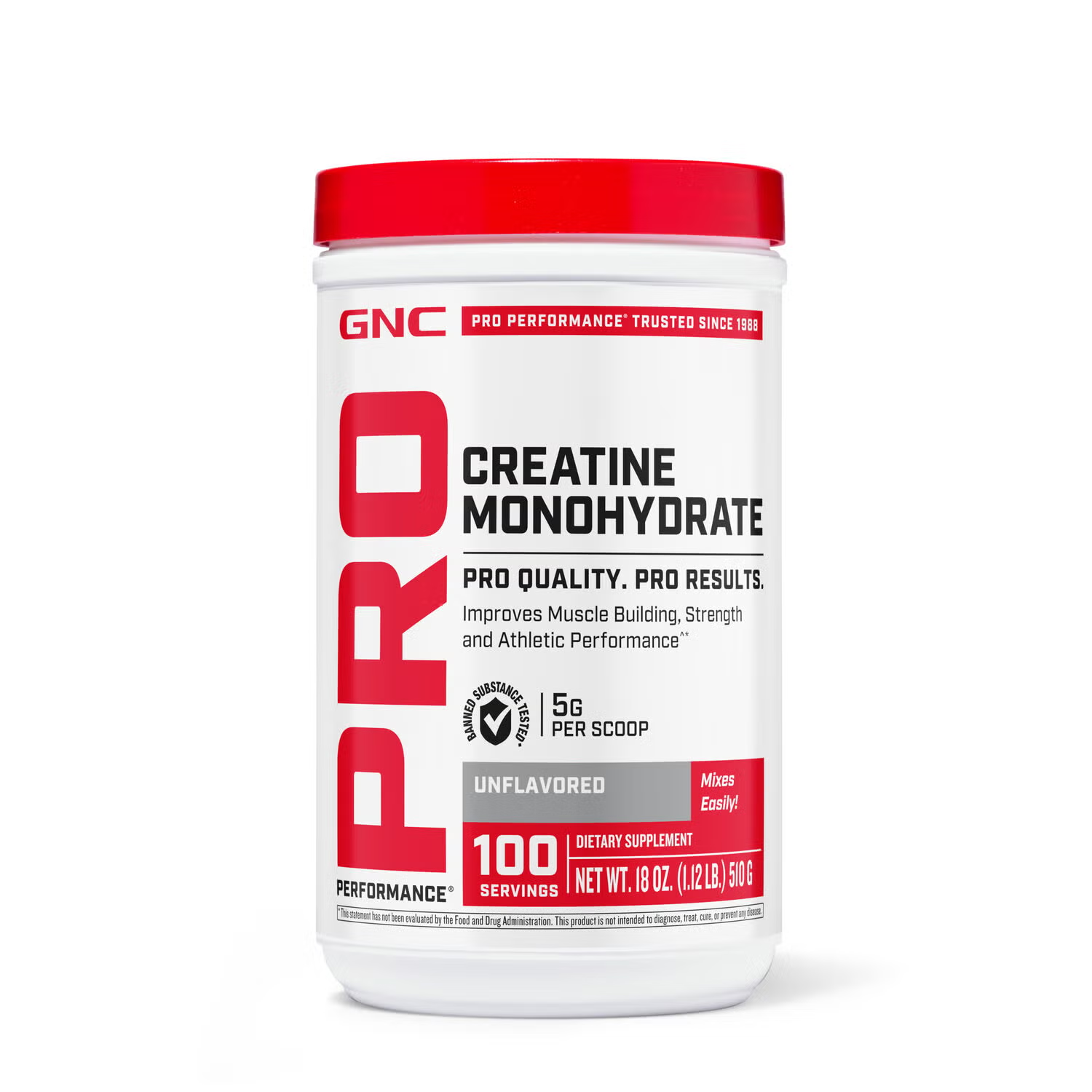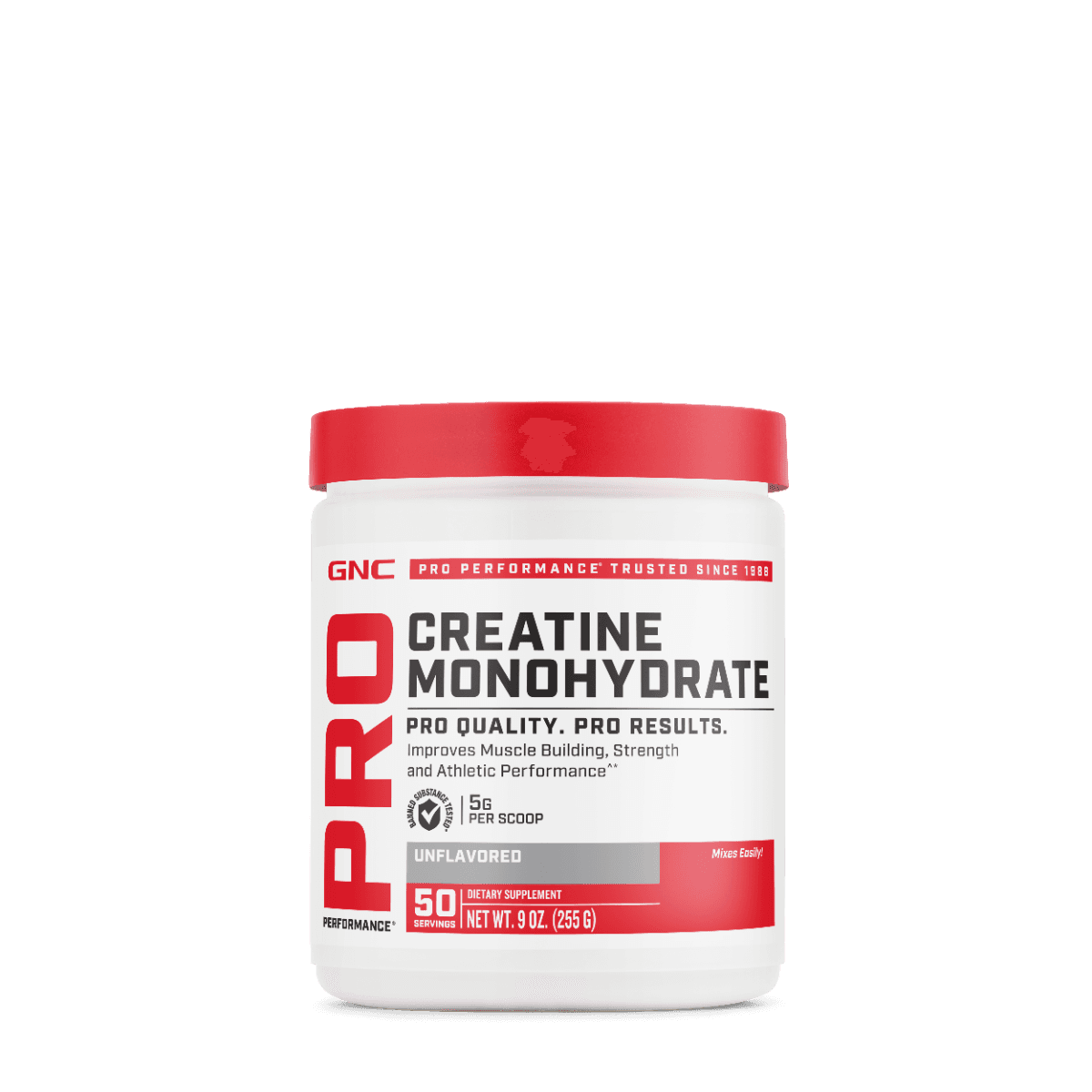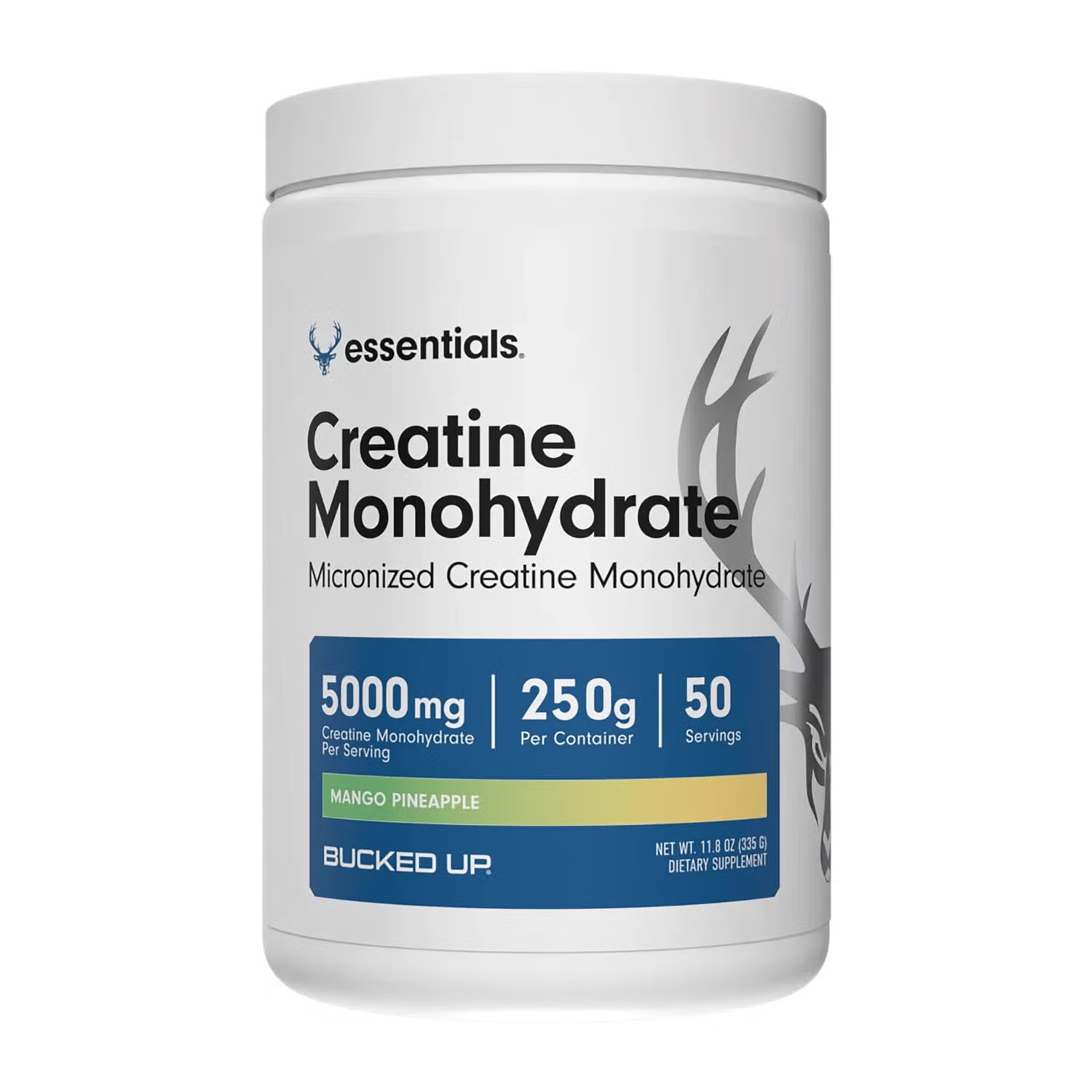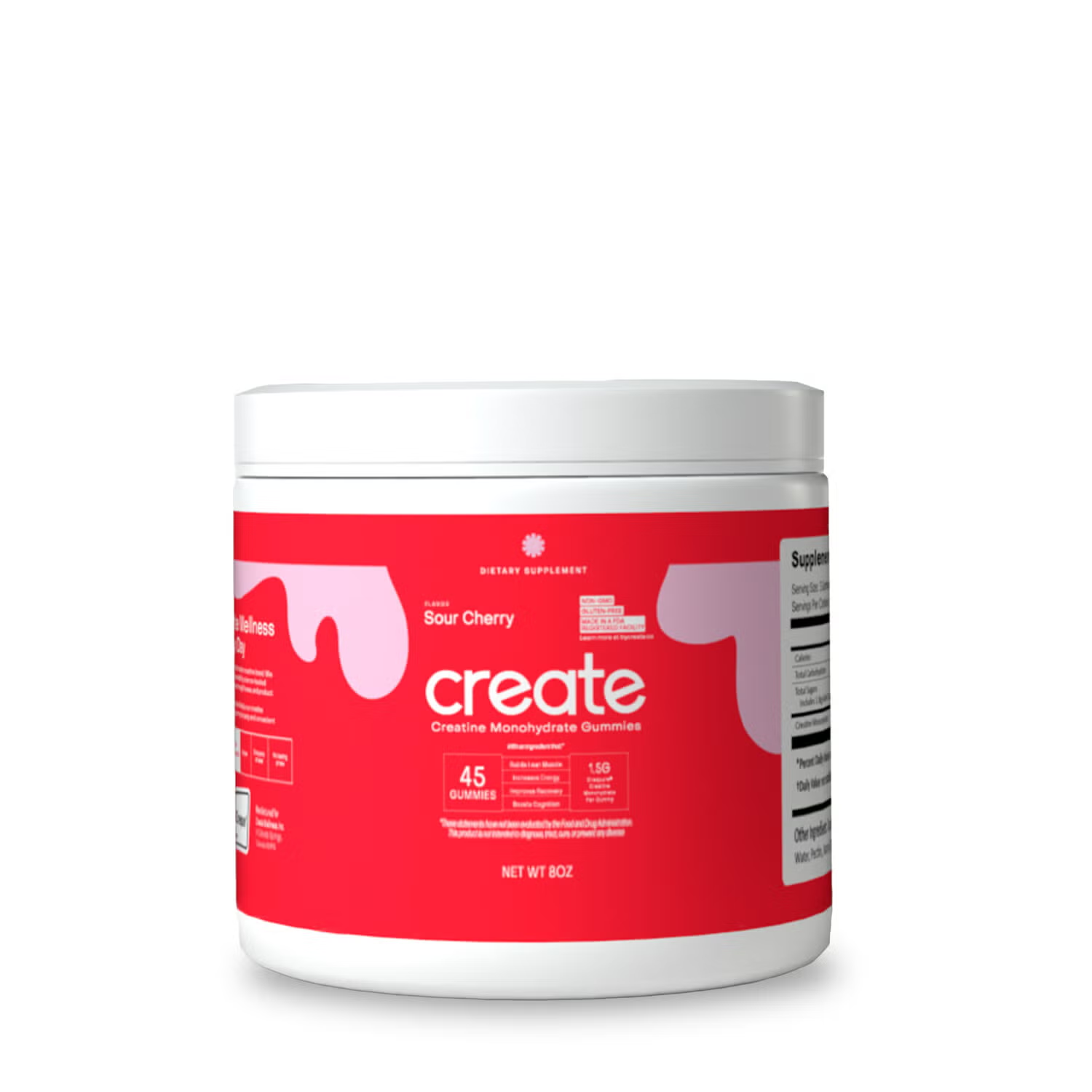
Creatine has been studied in over 500 peer-reviewed trials. It's used by Olympic athletes, endorsed by sports dietitians, and deemed safe by every major sports nutrition authority. And yet, it still gets called a steroid, blamed for hair loss, and accused of destroying kidneys. Let's go through each myth.
Myth 1: "Creatine causes hair loss"
This one comes from a single 2009 rugby study that found creatine loading raised DHT (a testosterone derivative linked to hair loss) by ~56%. Sounds alarming, until you check the details: DHT never exceeded normal physiological ranges, the study wasn't replicated, and no actual hair loss was observed. There is no clinical evidence that creatine causes baldness.
If you're genetically predisposed to male pattern baldness, no supplement causes it. Your genes and DHT sensitivity do. Creatine at normal doses is not a concern.
Myth 2: "Creatine is a steroid"
Creatine is an amino acid compound produced naturally in your liver and kidneys from arginine and glycine. It's found in red meat. It's not a controlled substance. It has no hormonal activity whatsoever. Anabolic steroids are synthetic hormones that mimic testosterone. Creatine is chemically and functionally unrelated.
Creatine in the OTRUP shop
Quality creatine monohydrate products, no filler, no gimmicks.
Browse supplementsMyth 3: "It damages your kidneys"
Creatine increases creatinine in your blood, a normal byproduct of creatine metabolism. This trips up basic kidney function tests, causing people to panic. However, elevated creatinine from supplementation is not the same as impaired kidney function. Multiple long-term studies (up to 5 years of continuous use) in healthy adults show no kidney damage.
If you have pre-existing kidney disease, consult a doctor before supplementing. For healthy individuals, the research is clear: it's safe.
Myth 4: "Loading phase is necessary"
Loading (20g/day for 5–7 days) saturates your muscles faster, but taking 3–5g/day achieves the same saturation level within 3–4 weeks. Unless you need the performance boost immediately (e.g., competition in 10 days), skip loading. The GI discomfort and extra cost aren't worth it for most people.
Myth 5: "You need to cycle off creatine"
There's no scientific basis for cycling creatine. This advice likely originated from confusion with other supplements (like stimulants) that genuinely require cycling to maintain effectiveness. Creatine works by saturation. Stopping and restarting just delays re-saturation. Take it consistently.
How to actually use creatine
- Form: creatine monohydrate. No need for "buffered," "HCL," or "ethyl ester" variants
- Dose: 3–5g daily
- Timing: any time of day, consistency is what matters
- With what: fine with water, juice, or your post-workout shake
- Duration: indefinitely. It's safe for long-term use
Work with a strength coach
A trainer who specialises in strength and hypertrophy will pair your creatine use with the right program to maximise results.
Find a trainer on OTRUPCreatine will give you more energy for your heaviest sets, help you recover between sessions, and over time contribute to more muscle mass. It won't give you magical results. That still requires a good training program.
Strength & muscle programs
Structured programs designed to maximise the performance gains creatine enables.
Browse programs